Wardogs Season 2 Update Brings a Full Economy Rework That Changes How Every Player Earns Money
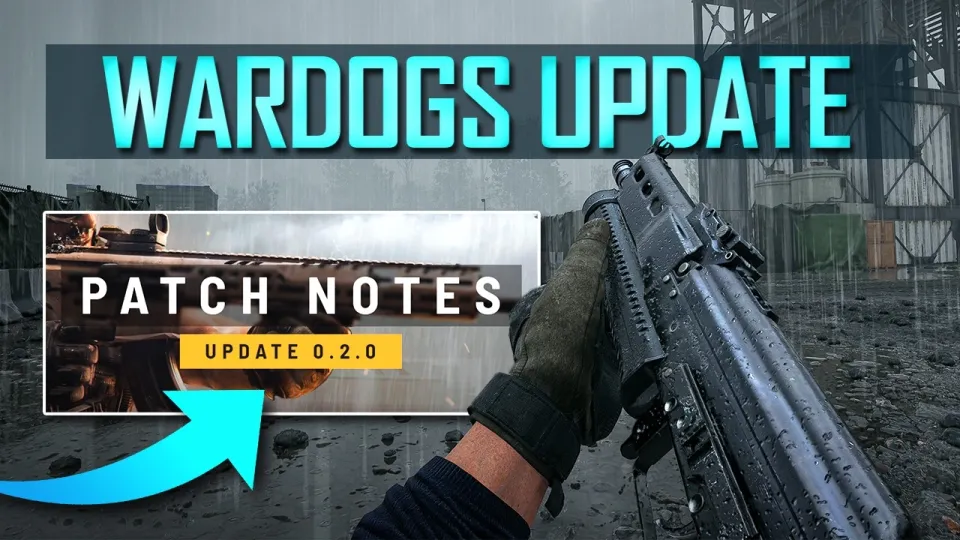
Video: WARDOGS New Season 2 Update ► EVERYTHING You Need To Know
Need articles like this for your video? They help promote it on YouTube and Google — order them in the Telegram bot @sat_sit_bot. The bot writes and publishes the articles itself (with your YouTube video embedded) on popular topical websites (no ads). Free trial — 50 articles.
· based on the channel GhostGaming
Wardogs Season 2 is a broad economy and vehicle rework rather than a content drop: supply drop-off payouts now scale with delivery streaks (a pallet at a 10 streak pays $1,250 base plus a $2,500 bonus inside the combat zone), vehicle prices and anti-air options shift, sniper damage is trimmed, and a squad intent list is added. The full patch notes are published on Steam, and GhostGaming walks through every change in the breakdown video, with live discussion on GhostGaming's Twitch channel.
What the Wardogs Season 2 update changes at a glance
The update touches four systems at once: logistics payouts, vehicle economy, weapon and armor balance, and squad coordination. The headline is money. Supply drop-offs now reward streak deliveries with a bonus on top of the base pallet value, and the numbers shown for streaks were corrected after the first pass: the figures that circulated early were calculated outside the combat zone, so the in-zone values are higher. A pallet delivered at a 10 streak comes out to $1,250 base plus $2,500 bonus.
On the vehicle side, the Lacota minigun light helicopter costs more to bring into a match, while anti-air capability grows with a new anti-air vehicle joining the roster alongside existing AA options and turrets. Sniper balance moves too: a 16% reduction to the .50 cal damage line means tier 2 armor can now survive a shot from the end-game sniper rifle, and the sniper hit zones on the X refer to the head and neck area. Progression changes include late-level unlocks for low-zoom, minimalistic optics. Finally, a squad intent list lets squads broadcast objectives map-wide.
How the logistics and supply drop-off economy works now
Logistics is the most contested part of the patch, because the payout structure rewards repeated trips instead of single heroic runs. The mechanics work like this:
- A pallet delivered to a drop-off earns a base value that rises with your delivery streak.
- At a 10 streak, the base is $1,250 and a $2,500 bonus is added on top.
- The streak figures apply inside the combat zone; numbers quoted from outside the CZ understate the real payout.
- Round-trip bonuses return for delivering personnel, and the Season 1 problem where leaving the vehicle cancelled the bonus is the kind of issue players want confirmed as fixed.
The trade-off is time. A driver who runs a truck back and forth can clear well over $100,000 in a single life, but that life may involve an hour and a half of driving with no action. Short opportunistic runs, such as spawning a URAL to keep a FOB's ammo from running dry, now pay less relative to the effort than a full streak chain, so the patch pushes logistics toward sustained hauling rather than emergency one-offs. URAL runs in particular earn less per trip than before, which matters for anyone who built a playstyle around quick resupply.
Vehicle prices, helicopters and the anti-air squeeze
The minigun light helicopter is the clearest loser of the vehicle pass: a fully loaded build with three flares runs about $14,000, and that price goes up. Recovery is hard if you avoid kill streaks and ration flares, because a single mistake costs thousands. Adding a new anti-air vehicle and keeping turret-based AA in play narrows the airspace further, so pilots who relied on the minigun bird may find it mostly unused early in the season. The counterargument is that stronger ground AA also suppresses opposing aircraft, so a more expensive helicopter that survives longer against enemy air is not automatically a bad trade.
Ground vehicles keep their handling quirks, and the URAL still drives as if it is on a sheet of ice, which is worth remembering when you are hauling a full load under fire. Landing bonuses for helicopters are another point players raise: if flight costs rise, rewards for bringing an aircraft home should rise with them, otherwise the money and purchasing nerfs stack into a double penalty for pilots.
Weapon balance, optics unlocks and sniper damage
Weapon changes are small in number but sharp in effect. The .50 cal damage reduction of 16% is the one that reshapes engagements: tier 2 armor now survives a hit from the end-game sniper rifle, so body shots that used to end a fight no longer do, and head and neck hits remain the reliable kill zone. For snipers, that means the difference between a good and a great shot is now the difference between a hit and a kill.
Optics progression is the other flashpoint. Low-zoom, minimalistic sights sit behind late levels, which frustrates players who simply want a clean red dot without clutter. The patch also nudges attachment pricing in ways that feel arbitrary, such as the SKS bipod moving from $800 to $810, while long-requested quality-of-life fixes like variable zoom scope keybinds remain unaddressed. If you main a sniper or a mid-range rifle, budget your unlock path around the optics you actually need rather than the ones the tree offers first.
Squad intents and coordination tools
The squad intent list is the quiet quality-of-life win of Season 2: squads can mark objectives across the map so random players understand where the team is pushing or holding. It echoes the team commander role from older Battlefield titles, where one player could direct squad objectives map-wide. In practice, use it before you commit to an attack, because a marked intent is the difference between a squad that trickles in one by one and a squad that arrives together. Combined with the logistics changes, intents also help drivers know which FOB needs supplies before it goes dry.
Common player concerns about the Wardogs Season 2 patch
The loudest worry is that logistics and FOB building become obsolete. If supply runs pay less per trip and FOB construction is nerfed across the board, fewer players will volunteer to drive, and FOBs depend on drivers. The math cuts both ways: streak bonuses reward dedication, but they also raise the entry cost for casual contributors who used to make one useful run per match. A related concern is pacing, since armor tiers and tanks can appear within four to five hours of a season going live, which compresses the early-game window for players still unlocking basic gear. The practical advice is to pick one economy lane early, either infantry fighting or streak-based hauling, and commit rather than splitting time between both.
Links from the video
- GhostGaming on Twitch
- GhostGaming on Twitter
- GhostGaming Discord
- GhostGaming on TikTok
- Wardogs Season 2 full patch notes on Steam
Final thoughts on the Wardogs Season 2 update
Season 2 shifts Wardogs toward infantry-friendly economics: supply streaks, vehicle price hikes, sniper damage trims and anti-air additions all make life harder for drivers and pilots while ground fighters keep their income intact. The streak bonus on drop-offs is generous if you commit to hauling, but the time cost is real, and the FOB-building nerfs deserve a close look before you plan a logistics main. Read the official patch notes for exact values, since several early figures were recalculated for the combat zone. For a full walkthrough of every change, watch the GhostGaming breakdown, and follow GhostGaming on Twitch for live gameplay and patch discussion.
Key takeaways
- Supply drop-off payouts now scale with delivery streak: a pallet at a 10 streak pays $1,250 base plus a $2,500 bonus, and those figures apply inside the combat zone.
- Late-level unlocks for low-zoom, minimalistic optics are part of the Season 2 progression changes, drawing complaints from players who want a simple red dot.
- The .50 cal damage line was reduced by 16%, which lets tier 2 armor survive a hit from the end-game sniper rifle.
- The Lacota minigun light helicopter becomes more expensive to field while anti-air options expand, including a new anti-air vehicle.
- A squad intent list was added so squads can signal objectives across the map, similar to older Battlefield commander systems.
Questions & answers
How much does a supply pallet pay in Wardogs Season 2?
Payouts scale with your delivery streak. At a 10 streak, a pallet pays $1,250 base plus a $2,500 bonus, and those numbers apply inside the combat zone. Figures quoted from outside the CZ are lower than what you actually earn.
Why can tier 2 armor survive the end-game sniper rifle now?
The .50 cal damage line was reduced by 16%, which drops the end-game sniper rifle below the threshold needed to one-shot tier 2 armor on a body hit. Head and neck shots remain the reliable kill zone.
Is the minigun light helicopter still worth buying?
It is harder to justify: a fully loaded build with three flares costs around $14,000 and the price went up, while new anti-air options make the airspace more dangerous. Pilots who avoid kill streaks and burn flares will struggle to recoup the cost.
Are FOBs and logistics still viable after the Season 2 nerfs?
They are viable but more demanding. Streak bonuses reward sustained hauling, yet URAL trips and FOB construction pay less per unit of effort, so fewer players may volunteer to drive. Committing to a full streak chain is the way to make the role profitable.
Source: WARDOGS New Season 2 Update ► EVERYTHING You Need To Know · Markdown version